Zoonomaly: How to Survive and Master the Horror of the Unknown
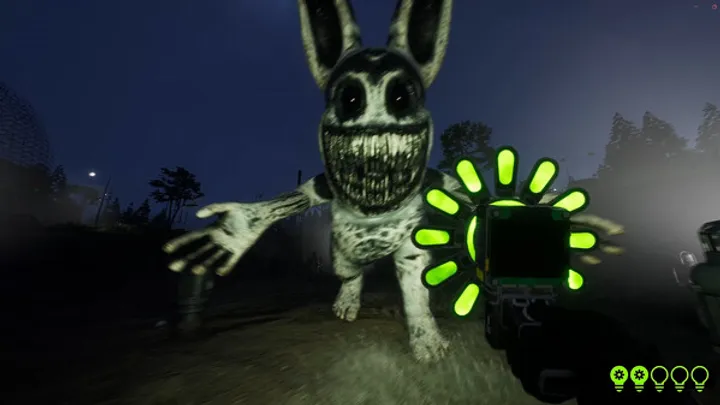
Zoonomaly is not your typical survival horror game. Unlike linear titles where monsters follow scripted paths, Zoonomaly thrives on unpredictability, emergent encounters, and a thick sense of dread. Players are thrust into distorted, anomaly-ridden environments stalked by horrifying creatures whose behaviors shift from one run to another. At first glance, the game feels overwhelming—dark corridors, limited resources, and monsters that never behave the same way twice. That unpredictability is both the heart of its horror and the reason many players struggle.
This article is a comprehensive “how to” guide for Zoonomaly. It does not skim the surface but digs into how players can read the game’s systems, prepare strategies, manage resources, and master survival. With ten detailed sections arranged in logical order, from preparation to advanced tactics, you’ll gain the tools to transform fear into calculated survival.
How to Understand the Core Mechanics of Zoonomaly
Before attempting survival, players must grasp the game’s foundation: dynamic monster AI, environmental hazards, and procedural anomalies. Zoonomaly thrives on emergent behavior—meaning no two encounters are ever the same.
Monsters rely on pathfinding systems that adapt to sound, light, and player movement. The environment itself is unstable, with anomalies that alter geometry or spawn hazards. Recognizing these mechanics early helps you avoid treating the game as a scripted experience.
Key mechanics overview
- AI unpredictability: Monsters don’t follow patterns—learn cues, not routes.
- Environmental anomalies: Doors may move, hallways may distort.
- Resource scarcity: Ammo and light are limited; conservation is survival.
How to Prepare Mentally and Strategically
Fear is Zoonomaly’s greatest weapon. Players who panic waste resources and stumble into danger. Preparation is as much mental as mechanical.
Before each run, understand that loss is part of learning. Each death teaches you how monsters behave in certain contexts or how anomalies evolve. Keeping calm lets you process cues more effectively, turning horror into information.
Mental preparation checklist
- Expect the unexpected; don’t rely on repetition.
- Treat death as data collection.
- Focus on observation before aggression.
How to Read Environmental Cues
The world of Zoonomaly communicates through subtle signs. Flickering lights, distorted audio, and strange geometry shifts foreshadow danger.
For example, a corridor growing unnaturally long often signals an approaching anomaly event. Similarly, sound distortions warn that a monster has shifted behavior. Training yourself to notice these signs lets you act before danger fully manifests.
Cue recognition guide
- Visual: Stretching hallways, flickering neon, shadow warping.
- Audio: Low-frequency hums, reversed whispers, sudden silence.
- Spatial: Doors looping back, exits replaced by walls.
How to Manage Resources Effectively
Scarcity defines survival in Zoonomaly. Bullets, batteries, and health kits are rare, and hoarding is as deadly as waste.
Prioritize using weapons only when escape is impossible. Light sources (like flashlights) should be flicked on only in short bursts to minimize detection and save battery. Healing items should be reserved for when anomalies escalate, not small scratches.
Resource management rules
- Conserve ammo; melee or evade when possible.
- Use light tactically, not constantly.
- Heal only when survival odds are compromised.
How to Outsmart Monster Pathfinding
Zoonomaly’s monsters feel intelligent because of their adaptive AI. But pathfinding systems still rely on environmental data. Skilled players exploit this.
For example, monsters often choose the shortest path based on noise. Throwing objects or deliberately opening doors can bait them into detours. Tight corners also confuse larger monsters, allowing you to slip past.
Tricks to exploit AI
- Create noise traps to mislead pursuit.
- Memorize geometry where monsters get stuck.
- Use doors and corners to break line of sight.
How to Handle Anomaly Events
Anomalies are unpredictable environmental distortions that warp the map or spawn hazards. Unlike monsters, anomalies cannot be killed; they must be endured or avoided.
Surviving anomalies requires observation. If a hallway stretches infinitely, mark your position with dropped items to detect loops. If gravity reverses, stabilize movement before attempting navigation. Each anomaly follows rules—you just need to uncover them.
Common anomalies
- Looping rooms: Drop items to track progress.
- Shifting walls: Look for seams or alternate exits.
- Gravity shifts: Anchor to objects until stable.
How to Use Stealth as a Primary Tool
Stealth is the most reliable survival strategy. Monsters react strongly to light and sound, making crouching, silence, and darkness your allies.
Avoid sprinting unless chased. Walk slowly, crouch near corners, and extinguish light when anomalies distort areas. The more invisible you remain, the less often you’ll need to waste bullets or health.
Stealth essentials
- Crouch in dark corners when sensing anomalies.
- Avoid slamming doors; close them gently.
- Use sound only when baiting monsters intentionally.
How to Build Survival Routes in Each Map
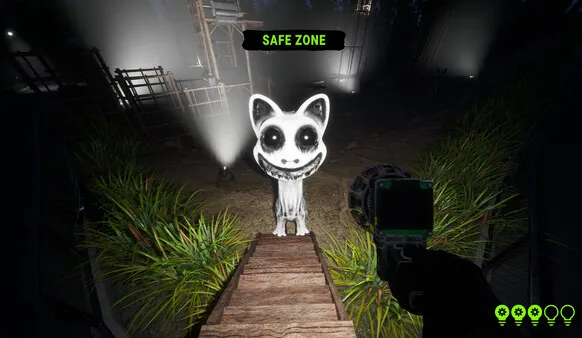
Though anomalies distort layouts, each map has fixed anchor points: central halls, stairwells, or safe rooms. Learning these anchor points allows you to rebuild mental maps when distortions occur.
Create survival routes linking these anchors. Always keep at least two escape options—monsters often cut off linear paths. Dropping breadcrumbs (like unused items) helps track altered geometry.
Route-building tips
- Identify safe rooms and anchor spaces early.
- Avoid overcommitting to one hallway.
- Leave markers to detect loops or shifts.
How to Adapt Strategies for Long Runs
Short runs can be won with improvisation, but long sessions demand stamina and evolving strategies. Monsters escalate behavior the longer you survive, and anomalies grow more severe.
Adapt by rotating tactics: early runs focus on stealth, mid-game requires resource balancing, and late-game demands calculated risks. Knowing when to switch gears separates survivors from victims.
Long-run adaptation phases
- Early game: Observe, conserve, avoid.
- Mid game: Balance resource use with exploration.
- Late game: Take risks, clear objectives, prepare for escape.

How to Learn From Deaths and Improve
Every death in Zoonomaly is part of the mastery process. Reviewing replays (if available) or analyzing the moment of death helps identify what cues you missed or what strategy failed.
Over time, patterns emerge—not in scripted monster behavior, but in environmental signals and anomaly cycles. These lessons accumulate into instinct, transforming panic into mastery.
Post-death learning process
- Note what environmental cues preceded death.
- Adjust tactics for anomalies encountered.
- Treat each run as training, not failure.
Conclusion
Zoonomaly is less about brute force survival and more about understanding, adapting, and mastering chaos. By learning the mechanics, preparing mentally, reading cues, conserving resources, and exploiting AI pathfinding, players can transform terror into strategy. The horror comes not just from monsters, but from the unknown—and “how to” survive is to turn the unknown into a system you can read and bend to your will.